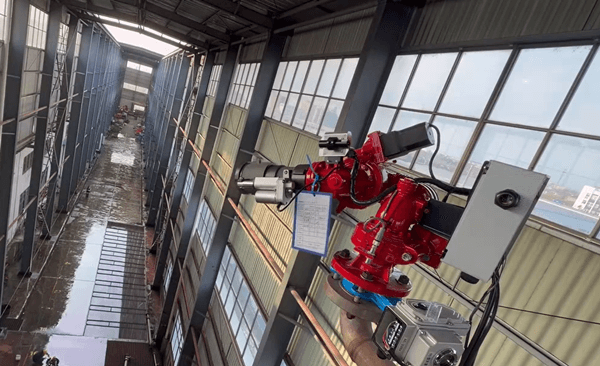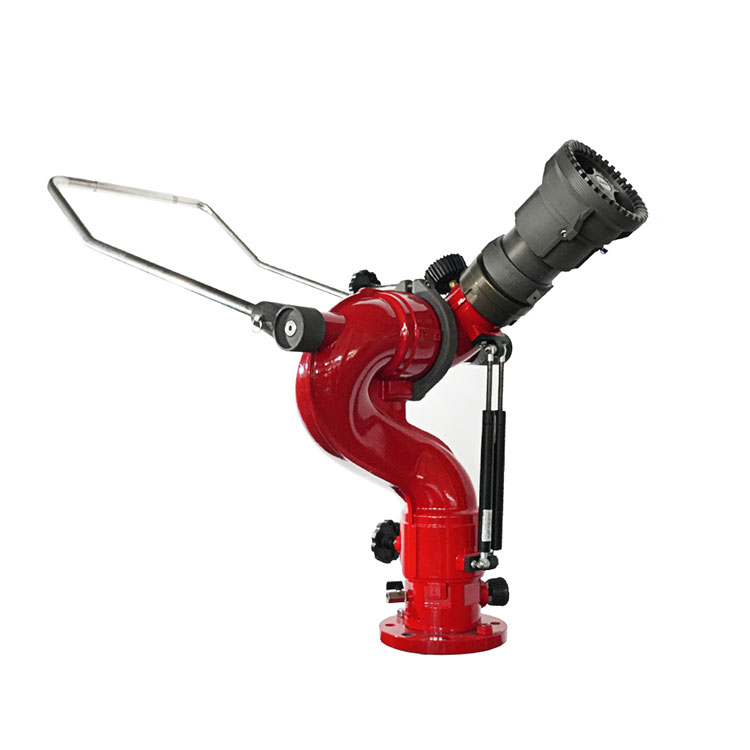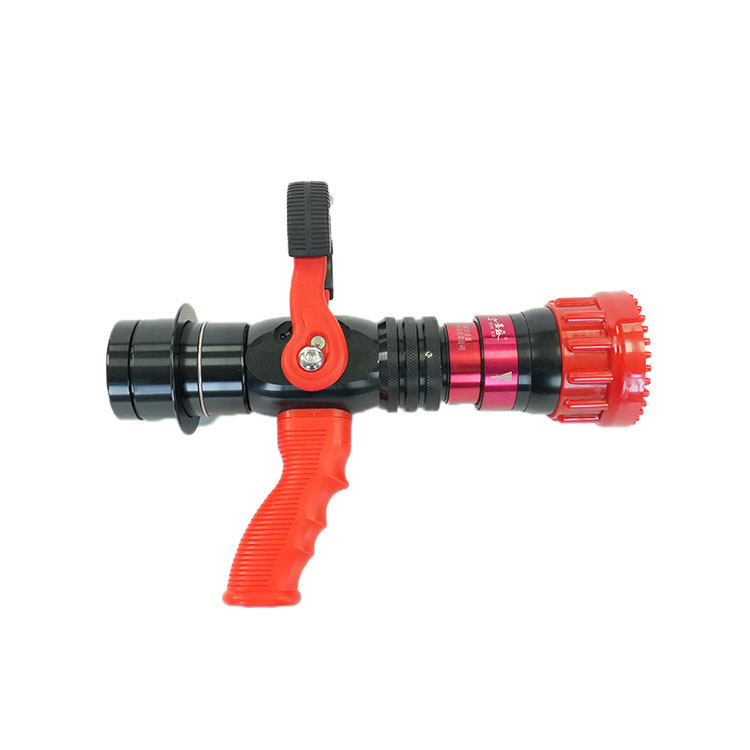

Fire safety has evolved significantly with the advancement of industrial technologies and increased risk scenarios in petrochemical plants, storage facilities, airports, and marine environments. Among the most efficient firefighting tools available today is the Self Induction Foam Fire Monitor. This article explores its working principles, advantages, applications, and why it has become an indispensable component in modern fire protection systems. We will also examine technical specifications, comparisons, and selection tips to help decision-makers choose the right solution.
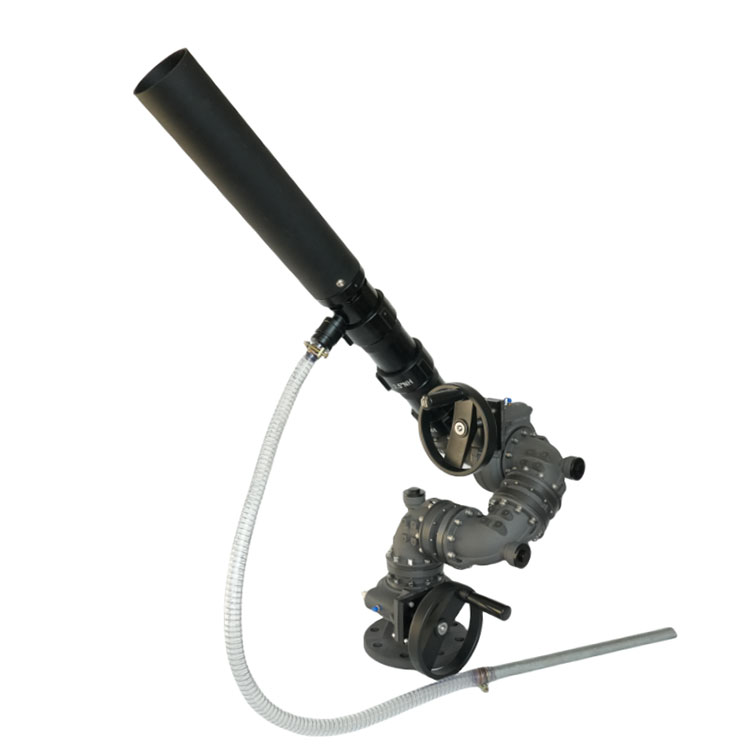
A Self Induction Foam Fire Monitor is an advanced firefighting device designed to automatically mix foam concentrate with water without requiring an external foam proportioning system. This type of monitor integrates a foam induction mechanism, making it highly efficient and easy to deploy in emergency situations.
Unlike traditional systems that rely on separate proportioners, pumps, or complex piping, this monitor simplifies the firefighting process while ensuring accurate foam mixing ratios. It is particularly effective in combating flammable liquid fires, such as oil, fuel, and chemical fires.
The working principle of a self induction foam fire monitor is based on the Venturi effect. When water flows through the monitor at high velocity, it creates a pressure differential that draws foam concentrate into the stream.
Step-by-step process:
This self-contained system eliminates the need for external dosing equipment, reducing setup complexity and increasing reliability during critical fire emergencies.
One of the biggest advantages is the elimination of separate foam proportioning systems. This reduces installation costs and system complexity.
These monitors provide precise foam mixing ratios, ensuring effective fire suppression with minimal waste of foam concentrate.
Fewer components mean less maintenance and lower operational costs over time.
The system can be activated quickly without complex setup procedures, which is crucial in emergency scenarios.
| Feature | Self Induction Foam Monitor | Traditional Foam System |
|---|---|---|
| Foam Mixing Method | Automatic (Venturi-based) | External proportioner required |
| Installation Complexity | Low | High |
| Maintenance | Minimal | Frequent |
| Response Time | Fast | Moderate |
| Cost Efficiency | High | Lower |
This comparison clearly demonstrates why self induction systems are increasingly preferred in modern firefighting applications.
Self induction foam fire monitors are widely used across multiple industries due to their reliability and efficiency.
These environments demand rapid response and high-performance firefighting equipment, making self induction monitors an ideal choice.
Selecting the right monitor depends on several critical factors:
Determine the required discharge capacity based on fire risk and coverage area.
Ensure compatibility with different foam concentrates such as AFFF, AR-AFFF, or protein foam.
Choose corrosion-resistant materials such as stainless steel or aluminum alloy for harsh environments.
Monitors may be manually operated or remotely controlled depending on operational requirements.
Routine maintenance ensures long-term reliability and optimal performance during emergencies.
Plent has established itself as a trusted manufacturer of high-quality firefighting equipment. Their self induction foam fire monitors are designed with advanced engineering and strict quality control standards.
By choosing Plent, users benefit from a combination of innovation, reliability, and cost-effectiveness.
The main advantage is its ability to mix foam concentrate automatically without external proportioning equipment, simplifying installation and operation.
Yes, most models are compatible with various foam concentrates, including AFFF and AR-AFFF.
Yes, many designs are available in portable configurations for emergency response scenarios.
Routine inspections should be conducted regularly, with full performance tests scheduled periodically based on usage conditions.
It is widely used in petrochemical plants, oil depots, airports, and marine environments where flammable liquid fires are a risk.
The Self Induction Foam Fire Monitor represents a significant advancement in firefighting technology. Its efficiency, simplicity, and reliability make it an essential tool for modern fire protection systems. Whether used in industrial facilities or emergency response scenarios, it provides superior performance and peace of mind.
If you are looking for a high-quality and dependable solution, Plent offers industry-leading products tailored to your needs. Contact us today to learn more about how our self induction foam fire monitors can enhance your fire safety system.