
Choosing a Fire Nozzle is not just about finding a fitting that sprays water. For distributors, project contractors, fire equipment suppliers, and industrial end users, the wrong choice can lead to poor water control, operator fatigue, pressure mismatch, maintenance headaches, and avoidable replacement costs. The right nozzle improves flow performance, pattern control, handling comfort, durability, and compatibility with existing fire protection systems.
In this article, we explain the most common problems buyers face when selecting a Fire Nozzle, how different nozzle types serve different operating conditions, what materials and connection standards deserve closer attention, and how to compare products in a more practical way. We also introduce how Ningbo Plent Machinery Co., Ltd. supports buyers looking for dependable options across selectable, automatic, forestry, and special-use nozzle applications.
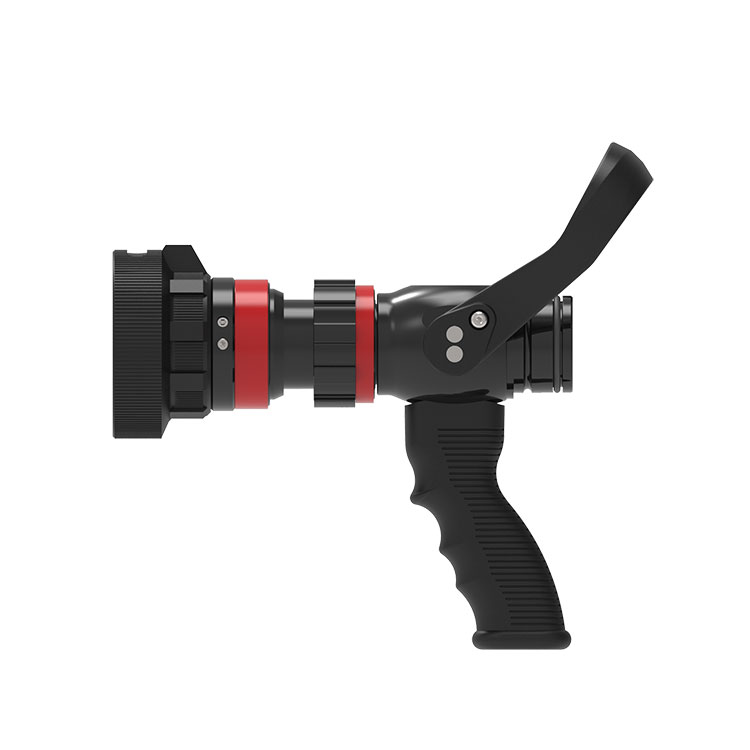
Most customers do not begin searching for a Fire Nozzle because they are curious about product design. They start searching because something is not working well enough. Sometimes the existing nozzle is too heavy for extended use. In other cases, the spray pattern is unstable, the flow rate does not match the working pressure, or the connection type creates installation inconvenience. For distributors and project buyers, another common frustration is that a nozzle may look acceptable on paper but becomes difficult to promote after users complain about poor control or inconsistent quality.
These practical pain points deserve more attention than generic product descriptions. A fire crew or industrial safety team needs a nozzle that can be operated quickly under pressure. If the nozzle body is poorly balanced, if the grip is uncomfortable, or if the stream adjustment lacks precision, that weakness shows up immediately in the field. Over time, even a small ergonomic problem becomes a cost issue because efficiency, training ease, and user acceptance all suffer.
Another overlooked issue is compatibility. Buyers frequently manage different hose standards, inlet fittings, and operating environments. A Fire Nozzle that cannot be integrated smoothly into existing setups may cause delays, rework, or extra adapter costs. This is why serious procurement should look beyond catalog photos and ask detailed questions about connection options, operating pressure ranges, material finish, and intended application.
A reliable Fire Nozzle should make firefighting work more controlled, not more complicated. Suitability usually depends on five core areas: flow performance, pattern flexibility, operating comfort, material durability, and system compatibility. These factors are connected, which means buyers should not evaluate them in isolation.
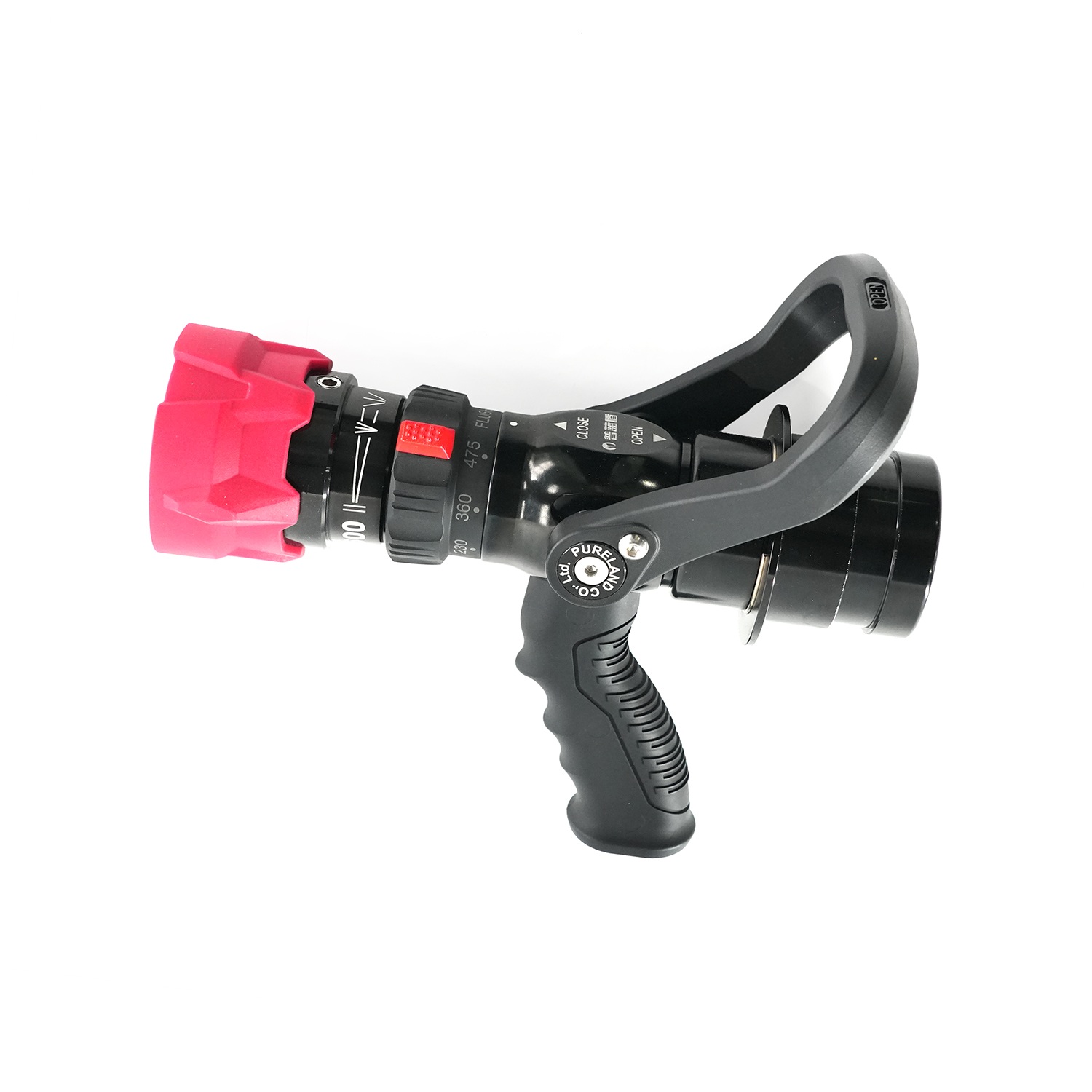
Flow performance is about more than high output. The important question is whether the nozzle can provide the right output for the actual task. Some operations require flexible gallonage selection, while others benefit from automatic flow compensation under changing conditions. Pattern flexibility also matters. A nozzle that can shift smoothly between straight stream and fog settings can help teams adapt faster when dealing with different fire scenarios or exposure protection needs.
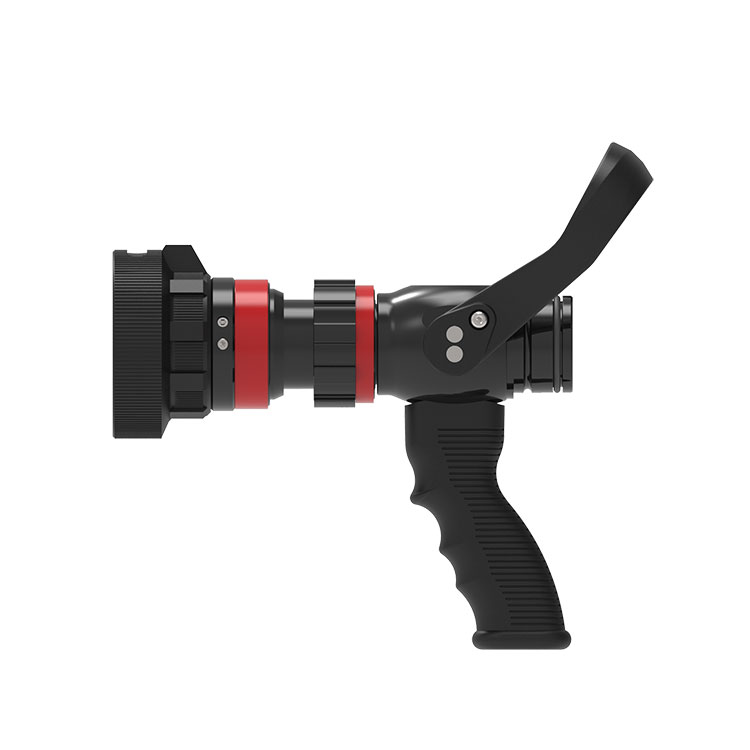
Comfort is often underestimated by non-users, yet it strongly affects adoption. A well-designed grip, intuitive shutoff control, and balanced body construction all support better handling. Material choice plays a similar role. Hard-anodized aluminum alloy remains attractive because it offers a useful balance between weight, strength, and resistance to demanding environments. Finally, compatibility affects everything from installation speed to inventory planning. A buyer handling multiple regional requirements will naturally prefer a supplier that can accommodate varied inlet fitting standards without making the procurement process complicated.
Not every Fire Nozzle is built for the same work. A better purchasing decision starts with understanding the broad categories and the operating logic behind them. When buyers compare nozzle styles only by price, they often overlook whether the product category itself fits the intended application.
| Type | Best For | Main Advantage | Potential Buyer Focus |
|---|---|---|---|
| Selectable Flow Nozzle | Users needing multiple preset flow options | Flexible output control for varied tasks | Ease of adjustment, pressure match, training simplicity |
| Automatic Flow Nozzle | Operations with changing pressure conditions | More stable performance under varying supply | Consistency, stream quality, operational confidence |
| Forestry Handline Nozzle | Wildland and forestry-related use | Lightweight handling and field practicality | Portability, ruggedness, spray pattern versatility |
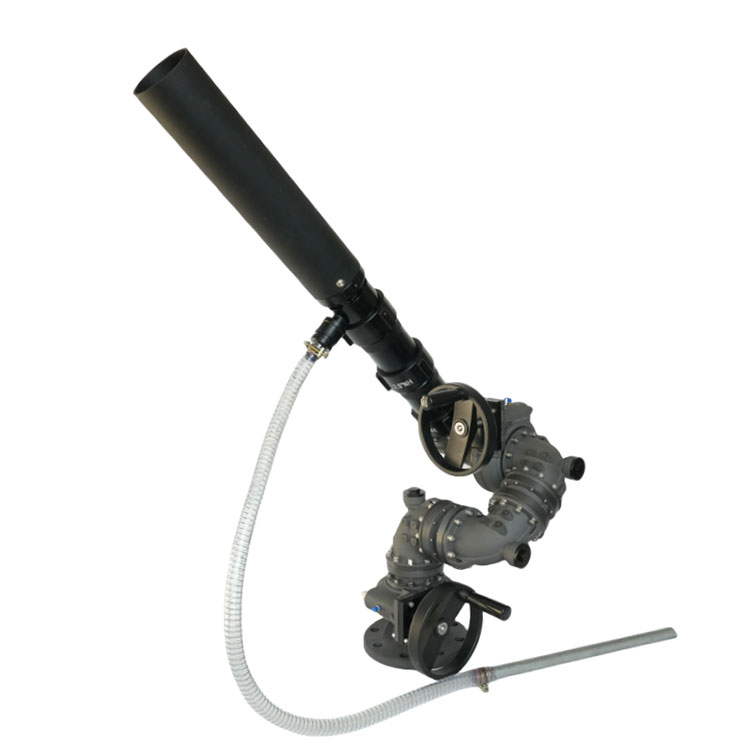
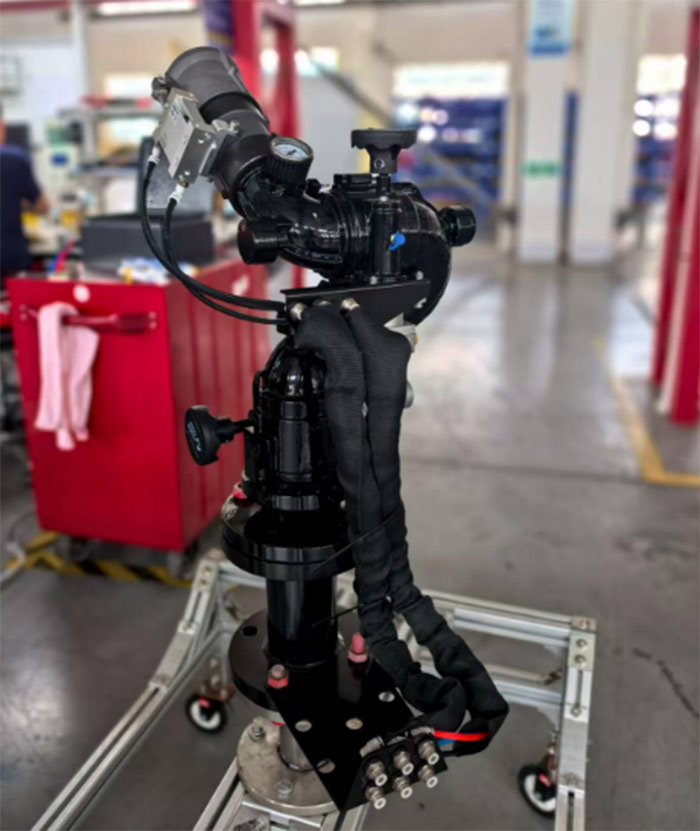
| Foam or Special Nozzle | Specific industrial or hazard-control scenarios | Designed for targeted firefighting applications | Application match, media compatibility, project specifications |
| High Pressure or Waterwall Nozzle | Special defensive or exposure protection tasks | Task-specific control and coverage approach | Pressure capacity, installation context, use frequency |
For many buyers, the right starting point is to define the use environment first. Is the nozzle intended for municipal fire response, industrial safety support, wildfire applications, export distribution, or OEM integration into a broader system? Once that is clear, comparing nozzle categories becomes much easier and more meaningful.
Ningbo Plent Machinery Co., Ltd. has built its product range around this kind of application diversity. Instead of limiting buyers to one general-purpose option, the company offers multiple Fire Nozzle directions that better match differing operational needs. That matters because a broader, more focused lineup often leads to better-fit procurement rather than forced compromise.
Buyers can avoid many common selection errors by using a structured checklist. A Fire Nozzle should never be evaluated only by appearance or nominal specification. The most reliable decisions come from asking how the nozzle will behave in actual use, how it will connect to the existing system, and how easy it will be to maintain or replace in the future.
A good buying decision is rarely the one with the lowest unit price. It is usually the one that creates fewer complaints, fewer fitment issues, and fewer replacement problems over the full service cycle.
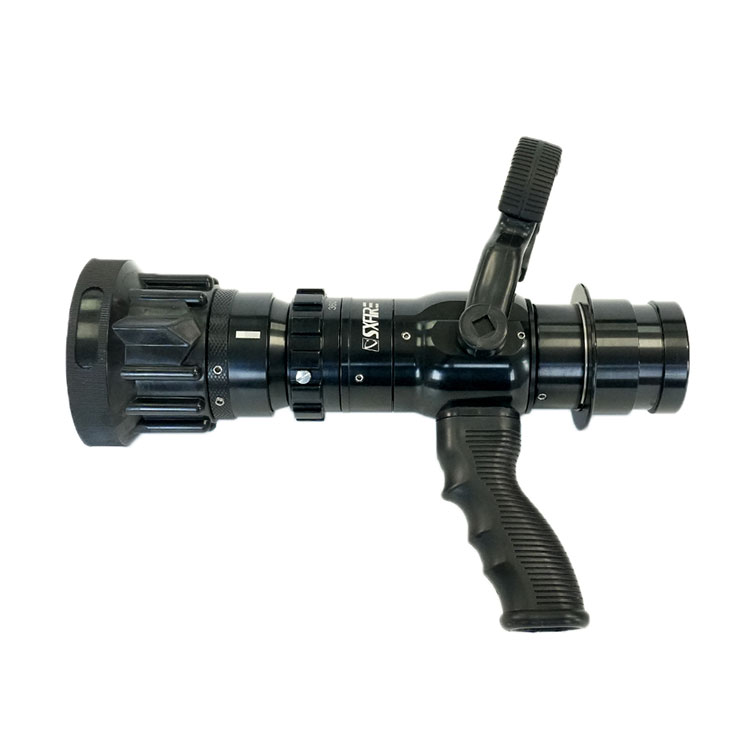
Many product comparisons become too vague because they focus on broad promises rather than decision-ready details. A useful comparison format for a Fire Nozzle should help buyers connect product features to operational outcomes. That means asking not only what the nozzle is, but what problem it prevents.
| Evaluation Point | Why It Matters | What Buyers Should Ask |
|---|---|---|
| Nozzle Category | Different categories solve different firefighting tasks | Is this the right nozzle type for our actual use case? |
| Flow Control | Affects flexibility and operational effectiveness | Do we need selectable flow, automatic flow, or a fixed-use design? |
| Spray Pattern Range | Supports different extinguishing and protection methods | How smoothly can the stream pattern be adjusted? |
| Material Construction | Influences weight, durability, and service reliability | Is the nozzle strong enough without becoming too heavy? |
| Connection Standard | Affects installation and regional compatibility | Can this product match our hose and fitting requirements? |
| Ease of Operation | Improves training and user confidence | Can operators control it quickly under stress? |
| Supplier Support | Reduces procurement risk over time | Can the supplier support repeat orders, customization, and communication needs? |
This kind of comparison is especially useful for importers and distributors who need a product story that is easy to communicate downstream. Instead of saying a nozzle is simply “high quality,” they can explain exactly why it makes field use easier, safer, and more reliable.
Even a well-designed Fire Nozzle can become a frustrating purchase if supplier support is weak. Fire protection buyers often need more than a one-time shipment. They may need consistent quality across batches, flexible fitting options, clear technical communication, and dependable delivery for ongoing projects. This is where supplier capability becomes part of the product value itself.
Working with a manufacturer that understands application diversity can reduce sourcing friction in a major way. For example, when a supplier can offer selectable, automatic, forestry, and special nozzle options within one broader product family, the buyer gains a more coherent procurement path. That is especially helpful for customers managing multiple projects or serving different end-user segments.
Ningbo Plent Machinery Co., Ltd. stands out here because it does not position the Fire Nozzle as an isolated catalog item. The company presents a wider fire equipment focus, which is often a sign of broader technical familiarity and stronger product coordination. For buyers, this can translate into smoother communication, better product matching, and more confidence when scaling from trial orders to regular cooperation.
The goal is simple: fewer purchasing surprises, better operational fit, and a more dependable path from inquiry to deployment.
1. How do I know which Fire Nozzle type is right for my application?
Start by defining the environment, media, and operating pressure conditions. A forestry setting, an industrial site, and a municipal fire response scenario may require very different nozzle designs. The correct type depends on the task, not just the product label.
2. Is a heavier Fire Nozzle always stronger?
Not necessarily. Strength matters, but unnecessary weight can reduce handling comfort and increase fatigue. Buyers should look for a balanced construction that offers durability without making operation more difficult.
3. Why is fitting compatibility so important when buying a Fire Nozzle?
Because poor compatibility can create installation delays, adapter costs, or inventory complexity. Verifying inlet standards early helps avoid downstream issues.
4. What is the benefit of choosing a supplier with multiple nozzle options?
A broader lineup usually means the supplier can support more specific application needs. It also simplifies sourcing when you need different nozzle styles for different projects or market segments.
5. What should I ask a manufacturer before placing an order?
Ask about nozzle category, flow control, pressure suitability, pattern adjustment, fitting options, material construction, customization capability, and supply consistency. Those answers will tell you much more than a short product description.
If you are evaluating a new Fire Nozzle for distribution, project supply, industrial safety, or system integration, the smartest move is to compare products in a way that reflects real operating needs rather than generic catalog language. Focus on application fit, flow behavior, handling comfort, durability, and compatibility. Those are the details that shape long-term satisfaction.
Ningbo Plent Machinery Co., Ltd. offers buyers a practical path forward with a product range that supports different firefighting requirements and procurement expectations. Whether you are looking for a standard handline solution or a more specialized Fire Nozzle for demanding conditions, a clear technical discussion can save time and reduce purchasing risk.
If you are ready to compare specifications, discuss fitting options, or request a solution that better matches your market and application needs, contact us today. Our team is ready to help you find the right Fire Nozzle with dependable product support and responsive communication.