News

Why Is Marine Firefighting Foam Concentrate Essential for Ship Safety

2026-06-03 0 Leave me a message

Summary: Marine Firefighting Foam Concentrate is a crucial solution for controlling and extinguishing fires onboard vessels. This article explores its importance, types, application methods, standards, and maintenance tips. Whether you are a shipowner, safety officer, or marine engineer, understanding the benefits and proper use of this foam can save lives and property at sea.

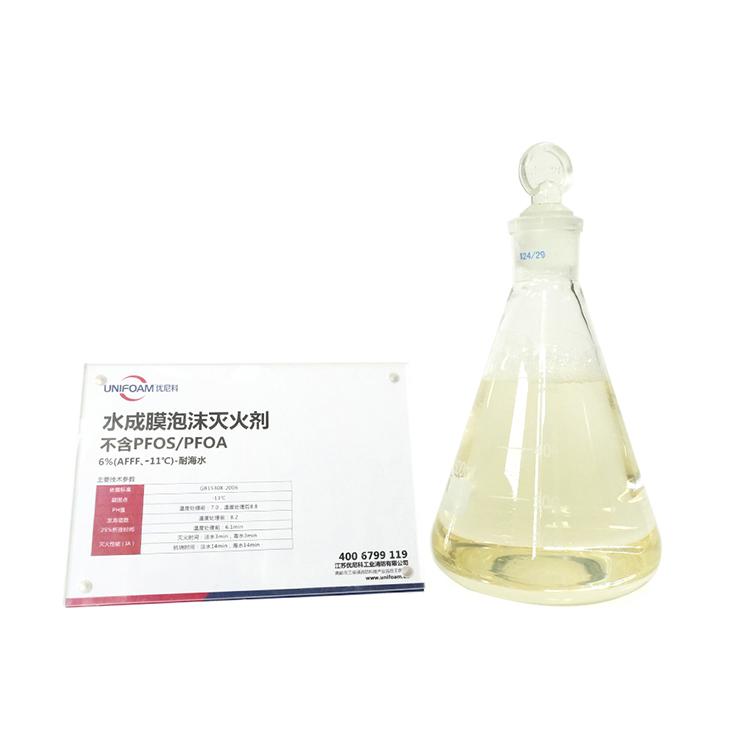
Marine Firefighting Foam Concentrate

Table of Contents


Why is Marine Firefighting Foam Concentrate Important?

Marine Firefighting Foam Concentrate plays a vital role in onboard fire safety. Unlike ordinary water, the foam can quickly cover flammable liquid surfaces, smother flames, and prevent reignition. On ships where fuel, oil, and other combustible materials are present, having an efficient foam system is indispensable.

  • Rapid suppression of fires
  • Reduction of heat and smoke
  • Prevention of fire spread to other compartments
  • Compliance with maritime safety regulations

Plent, a trusted supplier of Marine Firefighting Foam Concentrate, ensures that their foam meets the rigorous standards required for marine applications.


What Are the Types of Marine Firefighting Foam Concentrate?

Marine Firefighting Foam Concentrate comes in several types, each suitable for specific fire classes and vessel conditions. Understanding the differences ensures optimal fire safety performance.

Foam Type Recommended Fire Class Features
Aqueous Film-Forming Foam (AFFF) Class B Fast-spreading, forms protective film on liquid surface
Alcohol-Resistant AFFF (AR-AFFF) Class B (Alcohol, Solvents) Prevents alcohol-type fuels from breaking foam blanket
Protein Foam Class B Environmentally friendly, good heat resistance
Fluorine-Free Foam Class B Safe for environment, biodegradable

Choosing the right foam type can significantly impact the efficiency of marine firefighting operations.


How to Apply Marine Firefighting Foam Concentrate Effectively?

Correct application of Marine Firefighting Foam Concentrate is critical for fire suppression. Improper usage can lead to incomplete coverage and potential hazards.

  1. Identify the fire class before applying foam.
  2. Use proportioning systems to mix foam concentrate with water accurately.
  3. Apply foam gently to avoid disturbing the fuel layer.
  4. Ensure continuous application until the fire is completely extinguished.
  5. Monitor for reignition and apply additional foam if necessary.

Plent provides user manuals and technical guidance to help marine personnel deploy foam efficiently, improving onboard safety.


What Standards Should Marine Firefighting Foam Meet?

Marine Firefighting Foam Concentrate must comply with international maritime safety standards to ensure effectiveness. Compliance also reduces liability and improves crew safety.

  • IMO MSC.1/Circ.1312 standards
  • UL 162 (Underwriters Laboratories) certification
  • EN 1568 European standard
  • ISO 9001 certified manufacturing

By sourcing foam from Plent, ship operators can guarantee that their Marine Firefighting Foam Concentrate meets these stringent standards.


How to Maintain and Store Marine Firefighting Foam Concentrate?

Proper storage and maintenance are essential for preserving the effectiveness of Marine Firefighting Foam Concentrate.

  • Store foam concentrate in a cool, dry place away from direct sunlight.
  • Check the foam concentrate for expiration dates regularly.
  • Conduct annual performance testing with a trained crew.
  • Keep containers sealed and free from contamination.
  • Rotate stock periodically to ensure fresh foam is always available.

Regular maintenance ensures that in case of an emergency, the foam performs reliably, protecting both crew and cargo.


What Are the Advantages of Using Marine Firefighting Foam Concentrate?

Marine Firefighting Foam Concentrate offers multiple advantages for ship safety:

Advantage Description
Rapid Fire Suppression Foam covers flammable surfaces quickly, cutting off oxygen supply.
Environmental Safety Fluorine-free and biodegradable options reduce environmental impact.
Ease of Use Ready-to-use concentrate with simple proportioning systems.
Cost-Effective Reduces damage to vessel and cargo, lowering insurance claims.

FAQ About Marine Firefighting Foam Concentrate

1. How long does Marine Firefighting Foam Concentrate last in storage?

Most foam concentrates have a shelf life of 5–10 years when stored under recommended conditions.

2. Can foam be used on all types of fires?

Foam is primarily designed for Class B fires (flammable liquids). Some specialized foams can handle alcohol and solvent fires, but not Class A or electrical fires.

3. Is fluorine-free foam as effective as traditional AFFF?

Yes, modern fluorine-free foams meet international standards and offer excellent fire suppression while being environmentally safe.

4. How do I know the correct proportion of foam to water?

Refer to the manufacturer’s guidelines. Typical ratios are 3% or 6% foam concentrate to water, depending on fire class and type.

5. Can Marine Firefighting Foam Concentrate be used in cold climates?

Yes, but ensure that the foam is rated for low-temperature storage and application. Some formulations include freeze protection additives.


Contact Information

If you are looking for reliable and high-quality Marine Firefighting Foam Concentrate, Plent offers a wide range of solutions tailored to your vessel's needs. Our expert team is ready to provide guidance, technical support, and supply the right foam for your marine safety. Contact us today to ensure your ship is fully protected against fire hazards at sea.

Related News
Leave me a message
X
We use cookies to offer you a better browsing experience, analyze site traffic and personalize content. By using this site, you agree to our use of cookies. Privacy Policy
Reject Accept